

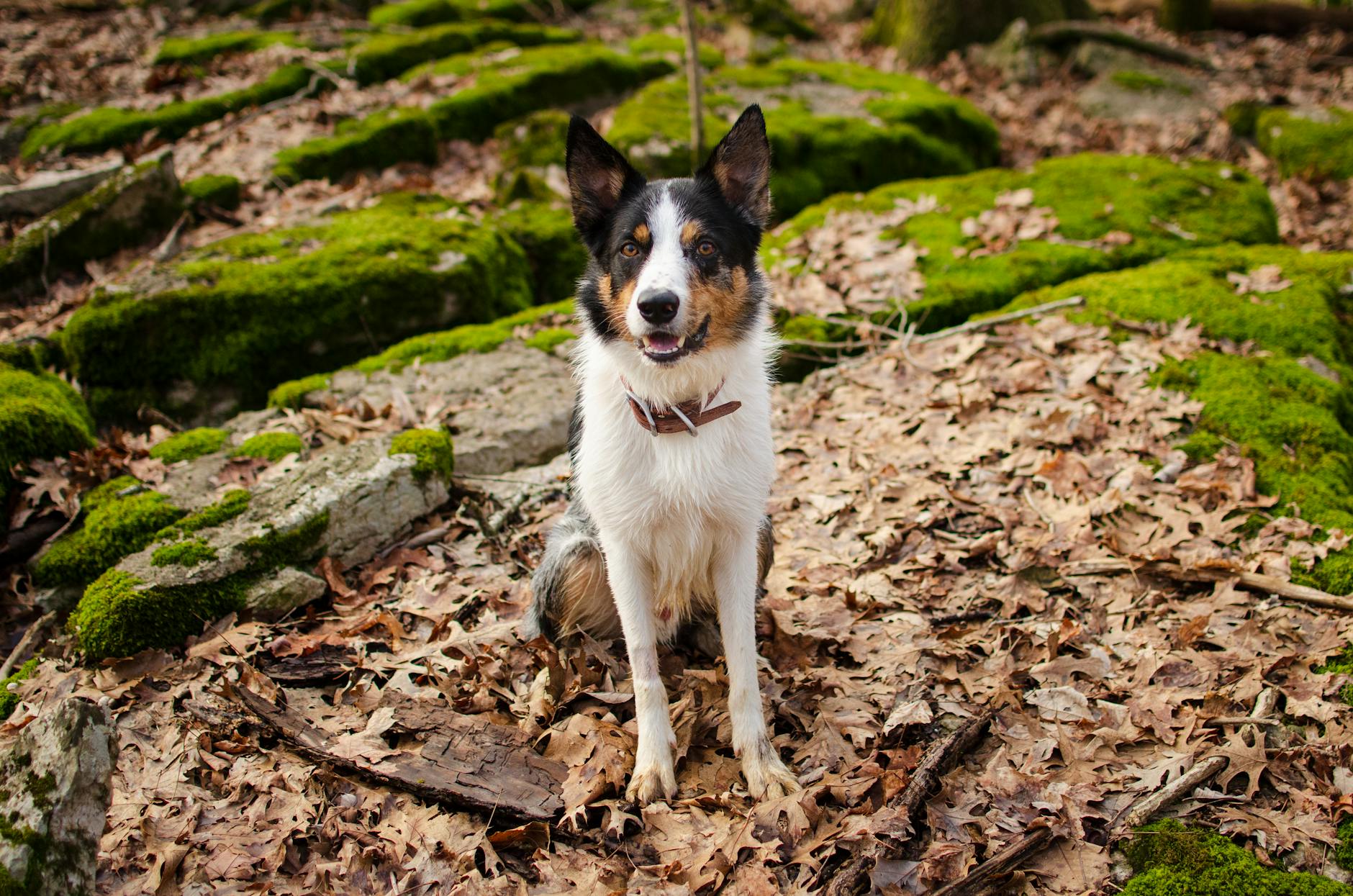
Why an Anti-Bark Collar Could Benefit Your Dog in Australia

Understanding Barking Behavior
Reasons Dogs Bark
As an experienced pet care consultant based in Melbourne, I know that understanding why dogs bark is crucial. Barking is a natural behaviour for dogs and serves various purposes. It could be a way to communicate with their owners, express excitement, or alert you to potential danger. For instance, when walking through the tranquil paths of the Royal Botanic Gardens in Melbourne, you might notice your dog's bark changes in response to different stimuli, like meeting other dogs or spotting unfamiliar wildlife. Recognising these triggers helps in addressing excessive barking more effectively.
Breeds Prone to Barking
Certain dog breeds are more prone to barking than others. Breeds like Beagles, Chihuahuas, and Border Collies tend to be more vocal. Understanding your dog's breed-specific tendencies can guide you in choosing the right training methods and accessories, such as training collars dogs. With busy schedules, IT professionals in their 40s, like yourself, can leverage these insights to find practical solutions that suit your dog's unique needs.
Impact of Environment
The environment plays a significant role in a dog's barking behaviour. Urban areas, with their constant noise and activity, can overstimulate your pet. Similarly, living near busy streets or construction sites in Melbourne might provoke more frequent barking. On the flip side, peaceful settings like pet-friendly cafes in South Yarra can help your dog remain calm. When selecting dog travel accessories, consider environments that can either amplify or calm your dog's barking tendencies. Each setting offers different stimuli, and adapting to these can significantly impact training success.
Anti-Bark Collars Explained
Types of Anti-Bark Collars
As an urban planner with a full schedule, finding effective solutions to manage your Border Collie, Scout, is essential. Anti bark collars come in several types, each tailored to different needs and behaviours. The three main types are:
- Static Correction Collars: These emit a small, harmless static correction when your dog barks. It's designed to gently deter barking without causing harm.
- Ultrasonic Collars: These produce a sound that is unpleasant to dogs but inaudible to humans. This type of collar can be effective if your dog is particularly sensitive to sound.
- Vibration Collars: These collars use vibration to interrupt barking. They are a good option for sensitive dogs who might not respond well to static correction or ultrasonic sound.
How They Work
Understanding the mechanics of barking collars is crucial. These devices typically have sensors that detect vibrations from your dog's barking. When the barking reaches a certain threshold, the collar activates its deterrent mechanism – be it static, ultrasonic, or vibration. These immediate responses can help your dog associate barking with an undesirable consequence, thus discouraging the behaviour over time.
Safety Considerations
Your primary concern as a dog owner is Scout’s safety. Modern anti-bark collars incorporate various safety features to ensure dog well-being. Many models include automatic shut-off settings to prevent overcorrection and adjustable sensitivity levels to customise the response based on your dog’s size and barking intensity. Additionally, it's always best to consult with your veterinarian before using any new training device, ensuring it’s suitable for Scout’s specific needs.
By exploring these anti-bark collar options and understanding their operation and safety measures, you can make an informed decision that aligns with your busy lifestyle while effectively managing Scout's barking.
Benefits of Anti-Bark Collars
Enhancing Training Efficiency
Anti-bark collars can significantly improve training efficiency, especially if you're dealing with a high-energy dog like my Border Collie, Scout. Unlike standard methods, these collars provide immediate feedback, which helps dogs understand the connection between barking and correction quickly. This can be particularly useful if your schedule is tight, and you need an effective solution fast. Combining the collar with traditional training techniques can streamline the training process, ensuring that Scout responds well without needing constant supervision.
Promoting Peace at Home
One of the more life-changing benefits of an anti barking collar is the peace it brings to your home. Living in a busy neighbourhood like South Yarra, the constant chatter and commotion can trigger even the best-behaved dogs into bouts of barking. The collar serves as an effective tool to keep the noise levels down, which can be a relief for everyone in the household. Moreover, when Scout is calm, it's much easier to enjoy moments at your favourite pet-friendly cafes in South Yarra without any disruptions.
Protecting Dog Well-being
Using an anti-bark collar can also protect your dog's well-being. Excessive barking not only stresses out the dog but can lead to strained vocal cords and behavioural issues over time. With gps dog tracking ensuring Scout is safe during off-leash adventures at Fawkner Park, integrating an anti-bark collar manages his behaviour even while he's having fun. It's an excellent combination to ensure your dog enjoys his freedom while maintaining discipline.
The key is to use the collar judiciously and pair it with positive training techniques to ensure a balanced and effective approach.
Effective Use of Anti-Bark Collars
When incorporating bark collars into your dog-training routine, understanding proper use ensures both effectiveness and safety for your furry friend.
Proper Fit and Adjustment
First and foremost, a correct fit is crucial. A well-fitted collar is neither too tight nor too loose. You should be able to insert two fingers comfortably between the collar and your dog’s neck. Adjust the collar as your dog grows or if their weight fluctuates to maintain an appropriate fit. Ensuring the collar is properly adjusted means the shock collar will perform its intended function without causing undue stress or discomfort.
Training Integration
Integrating the collar into your training regimen should be done thoughtfully. Start by familiarizing your dog with the collar during short, supervised sessions. This helps your dog understand the collar’s association with their barking behavior. Utilize the collar in conjunction with verbal commands and positive reinforcement. For instance, when your dog responds correctly to the collar, reward them with treats or affection. This dual approach helps reinforce good behavior while using the collar as a corrective tool.
Monitoring Progress
Regularly monitor your dog's response to the collar. Keep a training log to track progress and make necessary adjustments. If you notice excessive stress or adverse reactions, give your dog a break from the collar and reassess its use. Consistent monitoring helps ensure that the training remains effective and humane.
Using anti-bark collars effectively can lead to better training outcomes and a more harmonious living environment.
Common Issues to Avoid
Overusing the Collar
One of the primary mistakes many pet owners make is overusing the collar. Consistent and unchecked use can lead to negative behavioural changes in your dog. It's vital to use the collar as part of a broader training regimen. Consider scheduling sessions and giving your dog breaks. Constant wear can cause discomfort and anxiety, which isn't conducive to effective training. Spend some time in areas like the off-leash dog areas at Fawkner Park to let them enjoy freedom without the collar.
Neglecting Positive Reinforcement
Relying solely on an anti-bark collar without integrating positive reinforcement is counterproductive. Dogs respond remarkably well to rewards and praise. Use treats and affection to encourage desired behaviours parallel to using the collar. When you see progress, perhaps during your daily walks at the Royal Botanic Gardens in Melbourne, reward them promptly to reinforce good habits.
Ignoring Dog Sensitivity
Every dog is unique, with varying sensitivities and tolerance levels. Ignoring these nuances can render the collar ineffective or, worse, harmful. If you notice any signs of distress, it's crucial to pause and reassess your approach. Invest in anti-bark collars that offer adjustable settings to suit your dog's specific needs. For instance, when enjoying a coffee at pet-friendly cafes in South Yarra, observe how your dog interacts with the environment, helping you better understand their sensitivity levels. By avoiding these common pitfalls, you can utilise an anti-bark collar more effectively and compassionately, ensuring the well-being and happiness of your furry friend.